


Detecting cancer early may soon become easier and more accessible for residents in the UAE, thanks to a new blood test that can screen for over 70 types of cancer — even before any symptoms appear.
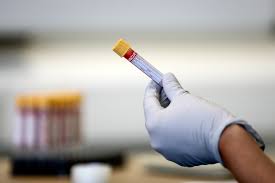
The non-invasive test, designed for asymptomatic individuals, especially those over 40, offers a simpler alternative to traditional screening methods. It requires no fasting or preparation and provides rapid results, making it a practical option for preventive healthcare.
Unlike conventional tests that focus on a single cancer type — such as mammograms for breast cancer or colonoscopies for colorectal cancer — the new blood test can identify multiple cancers, including pancreatic, gastric, and brain cancers, many of which currently lack routine screening options.
Experts highlight that the silent nature of many cancers means individuals often remain unaware until the disease has advanced. “Cancer often develops without symptoms,” medical specialists explain. “A simple blood test can help identify potential issues early, increasing the chances of effective treatment.”
The test is not designed to detect blood cancers such as leukaemia and lymphoma, which involve different mechanisms. However, its ability to screen for multiple other cancers in a single blood sample can reduce the need for multiple individual tests, making it both time- and cost-efficient. The procedure typically costs between Dh7,000 and Dh8,000 and can be performed once a year, offering a broad and practical approach to early detection.
Medical professionals emphasise that while the test shows high accuracy, with detection rates between 95 and 98 per cent, patient counselling remains essential. False positives are rare but possible, and patients should be informed of potential follow-ups before undergoing the test.
The initiative also aligns with the UAE’s proactive approach to healthcare innovation. Authorities in Abu Dhabi have made the test available to Emirati citizens over the age of 40, recognising that cancer risk increases with age and that early detection can significantly improve outcomes.
Health experts stress that this blood test is intended to complement, rather than replace, existing cancer screening methods. Routine examinations, such as mammograms, cervical checks, colonoscopies, faecal blood tests, and PSA screenings, remain essential for a comprehensive preventive strategy.
With this multi-cancer blood test, residents now have an additional tool to detect hidden risks early, offering new hope for prevention and timely intervention. Families and individuals are encouraged to discuss screening options with healthcare providers, particularly once they reach 40, to maximise the benefits of early detection.


